California Trustee Timeline: Day 1 Through Day 180
A day-by-day walkthrough of what a California successor trustee must do in the first six months after a death, and where to go for more detail.
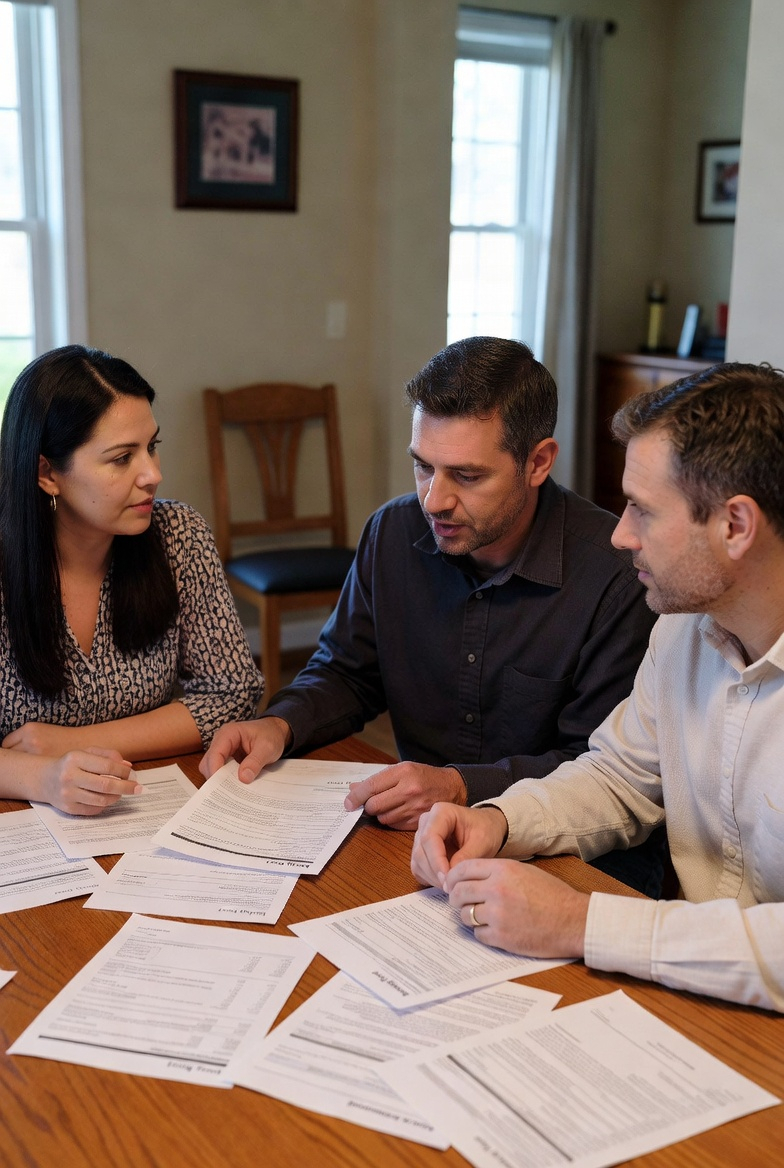
You just lost someone you love. Maybe it was a parent, a spouse, a sibling, or a close friend. You are grieving, and you are also trying to figure out what happens next with their estate.
If they had a living trust, someone has been named to take over and wrap things up. That person is called the successor trustee. There is a good chance that person is you.
So what exactly do you have to do, and by when? Below is the timeline, in the order the California Probate Code and practical reality actually impose it — not a general overview, but the day-by-day version.
First, the Good News: It's Not Probate
One of the primary reasons people create a living trust in California is to spare their family from probate. A typical California probate takes 12 to 18 months. Attorney and executor fees on a modest estate — say, a home and a brokerage account — can easily run $40,000 to $50,000 or more, all taken out of the estate before anything goes to the family.
Trust administration is not probate. There is no court, no judge, and no waiting in line at the courthouse — assuming the trust was properly funded and the beneficiaries can behave themselves. Most trust administrations take four to six months from start to finish.
Days 1–14: The Immediate Steps
Within the first two weeks, order at least ten certified death certificates, file the original will with the local probate court (yes, even when there's a trust), and notify the California Department of Health Care Services, since Medi-Cal has a right to make a claim against the estate. You'll also need a new tax ID number for the trust. For the full walkthrough of this window — what order to do things in, and what can wait — see The First 30 Days as a California Successor Trustee.
Day 60: The Legal Notice Deadline
The most important early deadline is mailing the Probate Code §16061.7 notice to every trust beneficiary and every one of the decedent's heirs, within 60 days of the date of death. The notice starts a 120-day clock during which anyone can contest the trust. Miss the deadline or get the recipient list wrong, and it can create real problems later. For exactly what your attorney needs from you to prepare it, see What Your Attorney Needs From You to Send the Trust Notice.
Days 14–90: Marshaling, Valuing, and Managing Assets
Once the early steps are moving, open a trust bank account and begin a full trust inventory — identifying, protecting, and valuing everything the trust holds.
If the decedent owned real property, you'll decide whether to sell it or transfer it to the beneficiaries. If selling, you'll hire a realtor and manage the sale. If keeping it in the family, there are title-transfer steps and a property-tax reassessment question to work through with your attorney.
Personal property — the furniture, the jewelry, the things with no dollar value but plenty of sentimental value — is where most family friction actually happens, not the house or the brokerage account. For the framework, see Distributing and Disposing of Personal Property During a California Trust Administration, and if a dispute won't resolve on its own, What Happens When Beneficiaries Disagree Over Personal Property.
You'll also work with financial institutions to liquidate or transfer brokerage and bank accounts, establish inherited IRAs for IRA beneficiaries, and consolidate everything into a trust administration account so you can track income and expenses.
Day 120: The Contest Period Ends
Once 120 days have passed since the notice was mailed, the window for a beneficiary or heir to contest the trust closes. This is a natural point to move from asset-gathering into accounting and distribution.
Days 90–180: Accounting and Distribution
Before you cut checks, you need to prepare a trust accounting — usually a spreadsheet showing all trust assets, date-of-death values, income, expenses, and the proposed distribution to each beneficiary. Beneficiaries receiving percentage distributions (as opposed to a specific bequest like “my car to my daughter”) have the right under California law to review the accounting and challenge your figures.
Set aside a reserve for future expenses and taxes before distributing anything, and don't forget your trustee fee — California law allows a trustee to receive a reasonable fee for serving, unless the trust says otherwise.
Once the accounting is approved, the 120-day contest period has passed, and beneficiaries have signed a waiver, you can make distributions and close the trust.
What About When the First Spouse Dies?
Trust administration isn't only for when the last surviving spouse or individual dies. When the first spouse dies, many joint California trusts give the survivor a choice about how the deceased spouse's share is handled — flowing into the survivor's trust, a disclaimer option, or a marital trust, depending on how the trust was written. That decision has its own deadlines and tax consequences. See Joint Trust Administration After a Spouse Dies in California for the full walkthrough.
If the Trust Was Never Fully Funded
A common problem: someone signs their trust documents and never transfers their assets into it — see How to Fund Your California Living Trust for what that step actually involves and why it's so often skipped. When they die, the successor trustee discovers there's nothing actually in the trust to administer. If those unfunded assets exceed California's small-estate probate threshold — $208,850 for deaths on or after April 1, 2025, per Judicial Council Form DE-300, and not scheduled to adjust again until April 1, 2028 — they may have to go through probate after all, defeating the purpose of the trust. A Heggstad Petition can sometimes pull assets into the trust after the fact, but it's not guaranteed, and it adds cost and delay.
When Family Dynamics Slow Things Down
The Probate Code is clear about your job. It's less clear what to do when a sibling hasn't spoken to you in ten years, or thinks they should have been named trustee instead, or hires an attorney to scrutinize every decision you make. We've sat in conference rooms watching siblings fight over an estate that was straightforward on paper — often over personal property specifically (see What Happens When Beneficiaries Disagree Over Personal Property). When family relationships break down, trust administration gets slower and more expensive. In extreme cases, the trustee may need to ask the probate court for judicial supervision — which is exactly what the trust was designed to avoid. Document everything, follow the rules, and get counsel early.
We Can Help
Most successor trustees hire an estate planning attorney to guide them through the process, and most are glad they did — the notices, deadlines, and moving parts add up quickly.
Contact us to schedule an initial call with one of our attorneys. We serve clients in El Dorado Hills, Roseville, San Diego, and San Luis Obispo, and virtually from anywhere in California.