Distributing and Disposing of Personal Property During a California Trust Administration
How a California trustee should distribute or dispose of a trust's personal property — and what parents can do now to prevent the fights that usually follow.
Your parents have died. Thank goodness they had a living trust. And so far, it looks like their home, investment accounts, and large bank accounts were titled in the trust — which means no California probate on the horizon. Phew! Thank you, Mom and Dad.
They named you as their successor trustee. Lucky you. This is a privilege and an honor — they trusted you with the trust administration. You were the one they tapped as the most capable. And you are up to the task. You've identified their assets, created an inventory, are in the process of getting valuations, and you got their home ready to sell, and the realtor is about to list it. Great job. You are successfully managing the big stuff.
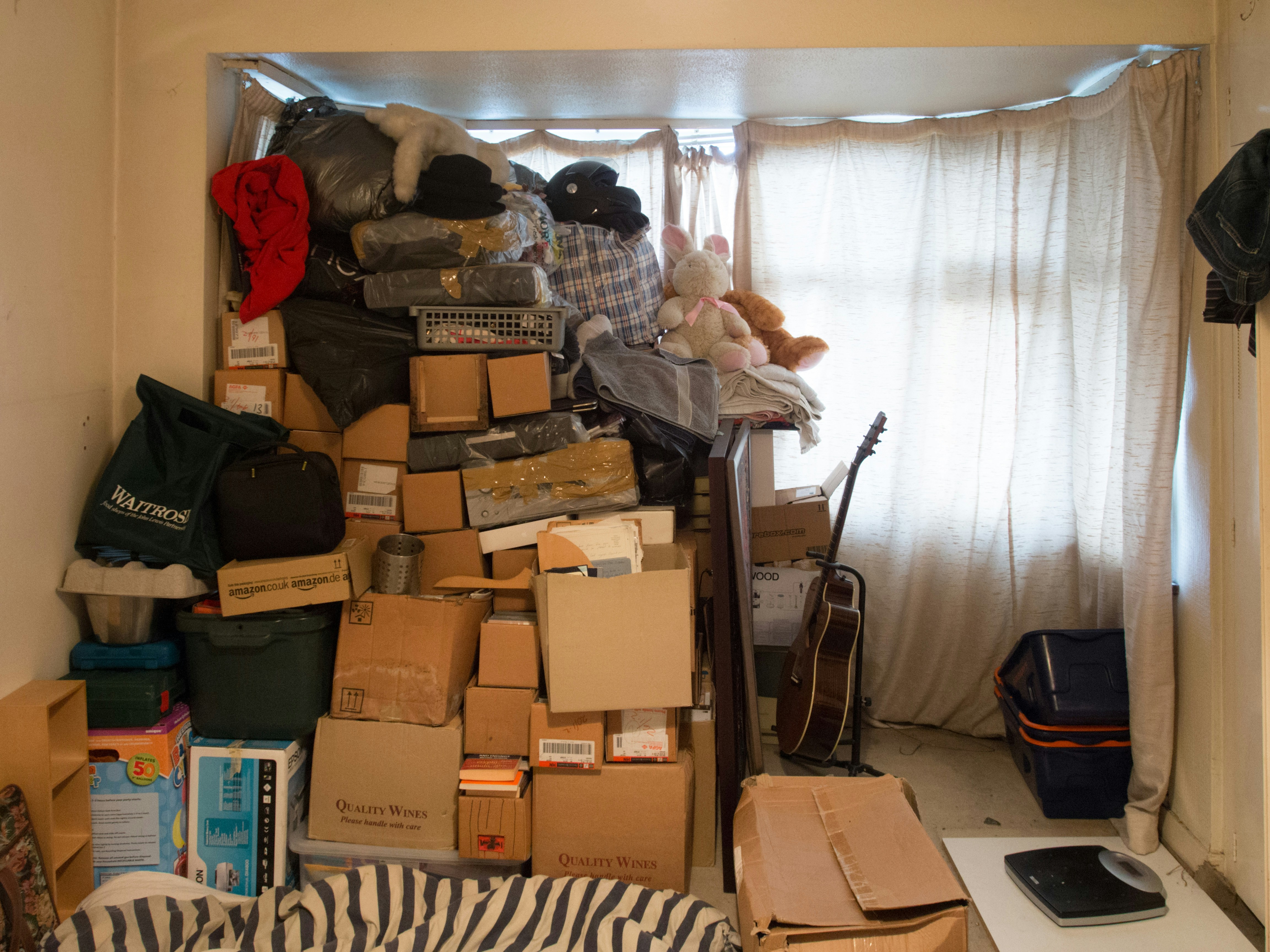
But now for the little stuff. The stuff that can derail an otherwise smooth trust administration. I'm talking about your mom's jewelry, your dad's tools, the family photos, the framed drawings from Uncle Felix, the ceramic fruit bowl, and the portrait of Fido.
These things, more often than not, are the things your siblings will fight over. Not the sale of the home in Redwood City mom and dad bought for $20,000 back in the day that you've listed for $2.5M. Not the allocation of their $1M brokerage account, and not the distribution of their $2M retirement plans. But their personal property, which has no dollar value but apparently enough sentimental value to fight over. Good times for you the referee successor trustee.
The trust document controls how this gets divided. Read its personal property section before you distribute anything.
What the Trust Actually Says
Some trusts specify a method: an appraisal-and-offset system, a rotation where each beneficiary picks in turn, a point system. If yours does, follow it exactly, even when it's awkward in person. Improvising around a stated method — even with good intentions — is the kind of thing a beneficiary can point to later.
Most trusts don't specify a method. They direct the trustee to distribute personal property “fairly” or “equally” and leave the mechanics to you. That's not a gap in the drafting — it's the trust handing you discretion. Discretion means you need a process you can explain and defend, not just an outcome you feel good about.
If you're still inside the first 30 days, you don't need to resolve this immediately. Secure the items, finish the inventory, and come back to distribution once the time-sensitive tasks are moving.
Split Everything Into Two Piles
Every item falls into one of two categories.
Items with a real market value — a car, a coin collection, tools worth reselling, jewelry an appraiser would take seriously, antiques. These are the easier half, because a dollar value lets you be objective.
Items with no meaningful resale value — mom's costume jewelry brooch, a specific coffee mug, a photo album. These cause almost all the actual conflict, and no pricing method fixes that, because the fight was never about money.
Handle the two piles separately.
Working the Valuable Pile
Say the trust holds three beneficiaries and a garage's worth of items with real value: a car worth roughly $9,000, a tool collection worth roughly $2,400, and a watch worth roughly $1,800 — $13,200 total. The trust says “divide equally.” Here's the mechanical version:
- Get real numbers, not guesses. For the car, a used-market comp (Kelley Blue Book, a couple of comparable local listings) is usually enough. For the watch, a jewelry appraiser or a consignment shop that deals in that brand will give you a number in a day or two — you don't need a formal certified appraisal unless the item is genuinely high-value or the beneficiaries are already at odds. For the tools, an estate-sale company or resale shop can usually give a fast verbal estimate.
- Divide by value, not by item count. $13,200 ÷ 3 = $4,400 per beneficiary. Beneficiary A takes the car ($9,000) and owes the trust $4,600 back into the pool, which gets paid out to B and C. B takes the watch ($1,800) and $2,600 in cash from other trust assets to reach their $4,400 share. C takes the tools ($2,400) and $2,000 cash.
- If nobody wants to take an item at all, sell it and split the proceeds three ways. This is the fallback that avoids all argument about who's “stuck” with what — it costs you a consignment fee or auction commission paid out of the trust account, and it removes the fairness question entirely.
- Write down the values you used and where they came from. Not a formal report — a dated note is enough. If someone challenges the split two years from now, “I have the appraisal email from March 2026” ends the conversation.
Quick process checklist for the valuable pile:
- List every item that has real resale value
- Get a value for each (comp, verbal estimate, or formal appraisal as needed)
- Total the values and divide by the number of equal beneficiaries
- Let beneficiaries choose or assign items, then true-up with cash from other trust assets
- Sell anything no one wants and split the proceeds
- Keep a dated record of values, sources, and who received what
The Sentimental Pile Doesn't Have a Formula
There's no equivalent example for the coffee mug, because there's no dollar amount to divide.
This could help:
Ask each beneficiary, separately, in writing, to list the handful of items that matter to them and why, before anyone sees anyone else's list. This does two things: it surfaces overlaps early, while there's still room to negotiate, and it keeps the conversation about what an item means rather than about who spoke up first or loudest in the room.
Where two people want the same low-value item and won't budge, some trustees use a coin flip or simply ask if either sibling would rather have something else of equal sentimental weight. As trustee, you are the mediator. Encourage them to negotiate. And if it gets ugly and protracted, remind them: Is this item you are fighting over really worth bad blood for the next ten years? You are family. Work it out.
When beneficiaries won't accept any of these, the conflict has moved into a different category, one that usually calls for a more formal process and, often, the dreaded attorneys. See what happens when beneficiaries disagree over personal property for how that plays out and what a trustee can actually do about it.
What to Document
Keep a dated record of:
- The list of items, tied to your trust inventory
- Appraisals or comp values for anything sold, offset, or disputed
- Who received or was offered what, and the reasoning if it wasn't an even split
- Written confirmation from beneficiaries when you can get it — even a one-line email
This isn't paperwork for its own sake. Personal property disputes tend to surface after the estate is otherwise closed, when someone reconsiders a decision in hindsight. A contemporaneous record is the difference between a five-minute explanation and a drawn-out argument about what you remember. Your fiduciary duty as trustee includes acting impartially, and being able to show that you did.
Where This Sits in the Broader Timeline
Personal property doesn't have a deadline the way the required trust notice or opening the trust's bank account does. It can run in parallel with those tasks. Rushing it just to clear it off the list can turn a manageable division into a dispute. Give it the time the family actually needs.
When to Bring In Help
If the estate includes a valuable collection, vehicles, or a family dynamic where you can already feel a fight coming, get an appraisal before you make distributions.
If the distribution is becoming contentious, or you're unsure whether the process you're using will hold up if challenged later, your trust administration attorney can help you find solutions before it grows into a major problem.
Parents — If You Are Reading This
We've administered hundreds of trusts, and we've witnessed the sibling fights. And guess what? It's rarely about the sale of the house. It's almost always about your personal property, to the extent where brothers and sisters can hold grudges for years on end. But you can pre-empt this tragic scenario with a little planning and effort.
When you get to a certain age and place in life — and I won't tell you when that is, you will know — start giving your precious items to your children and grandchildren now. Why wait for them to fight over them after you die? You get to make the peace and see them enjoy your keepsakes.
Also, start the purge, also known as Swedish Death Cleaning. If you have the energy, you can clear out the accumulated stuff in your garage that you no longer need and that your kids and grandchildren will never want. You will feel better after the purge.
Whether you're a newly appointed successor trustee or a parent thinking ahead, contact us if you'd like to schedule an initial call with one of our attorneys.